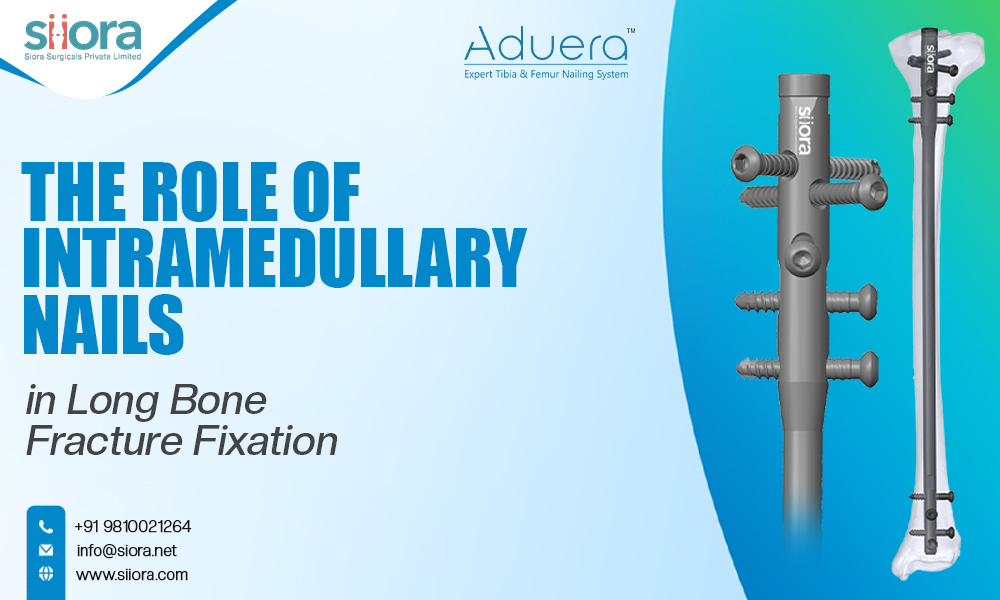
Treating long bone fractures has changed a lot over the years, and one technique that has really shaped modern trauma care is intramedullary nailing. Instead of relying only on casts or big external frames, surgeons now have a way to stabilize the bone from the inside. This has a great impact on post-surgical outcomes.
Why IM Nails Work So Well?
Support From Inside the Bone
The idea behind a tibial intramedullary nail is fairly straightforward. The surgeon inserts a metal rod into the canal that naturally runs through the center of the bone. Because the implant sits right along the bone’s axis, it doesn’t interfere much with surrounding tissues. At the same time, it provides enough strength to keep the broken ends steady while the body gets to work healing.
One of the best parts about this method is that the nail shares the load with the bone instead of taking everything on itself. This helps maintain a more natural pattern of movement, which is why patients often feel confident moving earlier than expected.
Useful for Many Types of Fractures
Some fractures are clean and simple, but most long bone injuries—especially those caused by traffic accidents—are anything but. IM nails can handle everything from straightforward breaks to multi-fragmented fractures that would be hard to manage with plates or casts. Once the nail is locked with screws at both ends, the entire limb becomes stable enough for controlled mobility.
Advantages in the Operating Room
Smaller Cuts, Less Tissue Disturbance
A big reason intramedullary nails have become so popular is the surgical technique involved. Surgeons don’t need to expose the entire bone. Instead, they work through small incisions, insert the nail, lock it in place, and close up. Because the soft tissues remain mostly untouched, swelling, pain, and infection risk are much lower.
Designed for Real-Life Anatomy
Modern IM nails aren’t generic metal rods. They come in different curvatures, lengths, and diameters, and many have advanced locking options. This allows surgeons to tailor the implant to the patient’s bone shape and the fracture pattern. The ability to match the implant to the individual makes a noticeable difference in comfort and healing.
What Are These Nails Made Of?
Strong, Safe, and Body-Friendly Materials
Most intramedullary nails are made from stainless steel or titanium. Titanium has gained a lot of popularity because it’s light, strong, and doesn’t react badly with the body. It also has a natural flexibility that helps reduce stress on the healing bone. These qualities make the implant reliable even when used long-term.
Better Designs, Better Results
Over the years, manufacturers have tweaked almost every part of the nail—from the surface finish to the locking mechanism—to make it easier for surgeons to use and to reduce complications for patients. These small improvements add up and contribute to smoother healing and better overall outcomes.
Recovery and Real-World Results
Patients Regain Movement Faster
One of the biggest advantages of this technique shows up after the surgery. Because the bone is supported internally, patients can usually start moving earlier than they would with other methods. Gentle weight-bearing stimulates blood flow, activates muscles, and prevents joints from getting stiff—all essential for long-term function.
Reliable Healing With Fewer Setbacks
IM nails have a solid track record when it comes to bone union. When followed up with the right rehabilitation, most patients return to daily life faster and with fewer complaints. This boost in physical recovery often brings a noticeable improvement in confidence and emotional well-being too.
Conclusion
Intramedullary nailing has earned its place as a preferred method for long bone fracture fixation, like tibia fractures. It offers internal support, requires minimal disruption to tissue, and allows for earlier movement, all of which lead to better and more predictable healing. As trauma implant designs continue to evolve, IM nails will remain an essential part of orthopedic trauma care.
 Orthopedic Implants