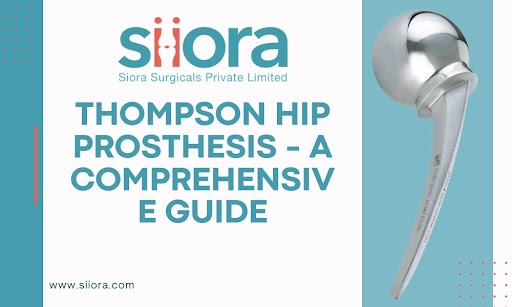
In the realm of orthopedic surgery, hip replacement is a common procedure that provides relief to individuals suffering from severe hip joint damage or arthritis. One of the prominent types of hip prostheses used in this procedure is the Thompson Hip Prosthesis. This article aims to shed light on the Thompson Hip Prosthesis, its components, benefits, and considerations.
What Are the Components of a Thompson Hip Prosthesis?
A Thompson Hip Prosthesis consists of two primary components:
Femoral Stem
This component is inserted into the femur bone of the thigh. It replaces the damaged or diseased portion of the femur. The femoral stem can be either cemented or uncemented, depending on the patient’s specific needs and bone quality.
Acetabular Cup
This component is placed into the acetabulum, the socket in the pelvis that receives the head of the femur. The acetabular cup is usually made of a durable material like ceramic or metal and is secured to the pelvis using screws or cement.
Why Use Thompson Hip Prosthesis?
Pain Relief
The primary benefit of a Thompson Hip Prosthesis is to alleviate pain caused by hip joint damage or arthritis. By replacing the damaged joint with a functioning prosthesis, patients can experience significant pain relief and improved quality of life.
Increased Mobility
A well-functioning Thompson Hip Prosthesis can restore mobility and range of motion to the hip joint. This allows patients to engage in activities that were previously painful or difficult, such as walking, climbing stairs, and participating in sports.
Improved Function
The Thompson Hip Prosthesis is designed to mimic the natural function of the hip joint. This can help patients regain their independence and perform daily tasks with ease.
Durability
Thompson Hip Prostheses are typically made from high-quality materials that are designed to withstand the rigors of daily life. With proper care and maintenance, these prostheses can last for many years.
What Are the Considerations for Thompson Hip Prosthesis?
Patient Suitability
Not all patients are suitable candidates for a Thompson Hip Prosthesis. Factors such as age, overall health, and bone quality can influence the decision to proceed with this procedure.
Surgical Risks
As with any surgical procedure, there are risks associated with hip replacement surgery. These risks can include infection, blood clots, nerve damage, and dislocation of the prosthesis.
Recovery Time
Recovery from hip replacement surgery typically involves a period of rehabilitation to strengthen the muscles surrounding the hip joint and restore normal function. The recovery time varies from individual to individual.
Lifestyle Changes
After hip replacement surgery, patients may need to make some lifestyle changes to protect the prosthesis and ensure its longevity. This may include avoiding high-impact activities or excessive weight gain.
Conclusion
The Thompson Hip Prosthesis is a valuable surgical option for individuals suffering from severe hip joint damage or arthritis. By providing pain relief, improved mobility, and enhanced function, this prosthesis can significantly improve the quality of life for many patients. If you are considering hip replacement surgery, it is important to consult with an orthopedic surgeon to discuss your options and determine if this Hip Prosthesis is the right choice for you.To get an international standard range of hip implants and other CE-certified orthopedic devices, contact Siora Surgicals Pvt. Ltd. The company is also looking to mark its presence as one of the best orthopedic implants manufacturers Dubai.
 Orthopedic Implants